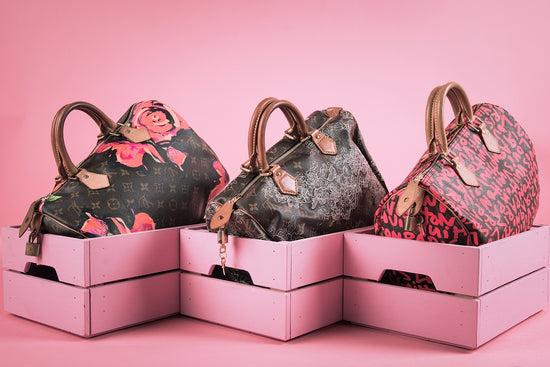
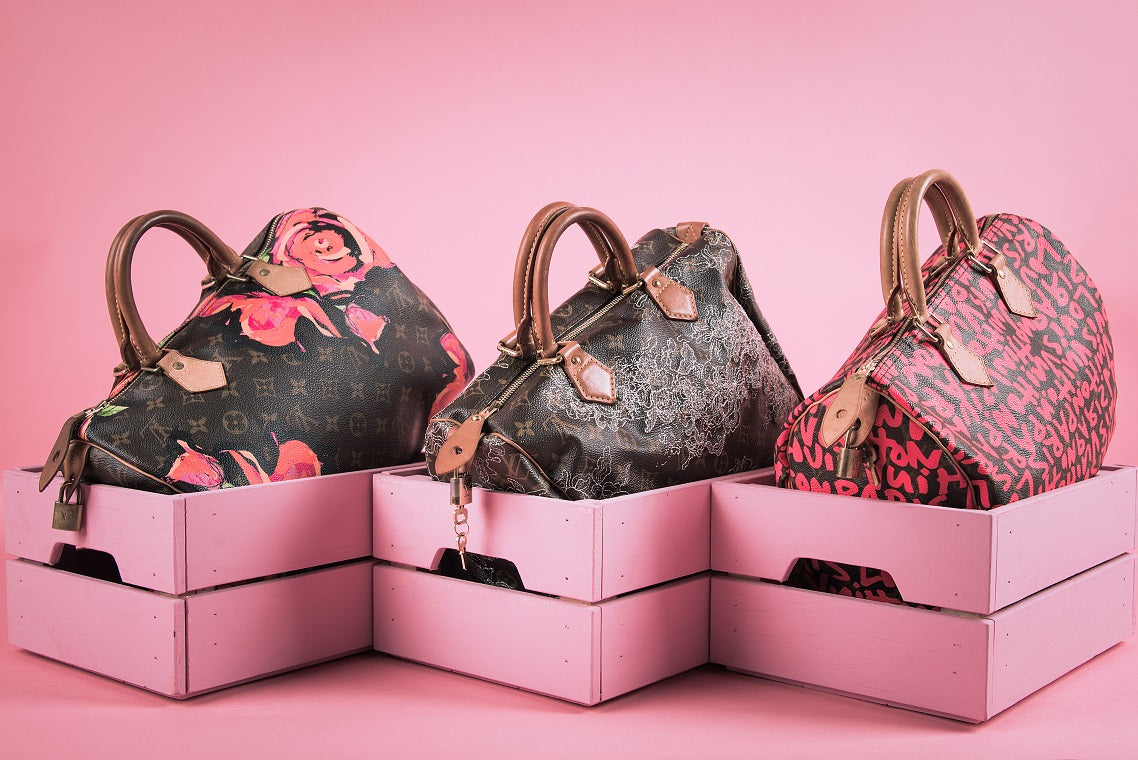
Leather handbags symbolize sophistication and practicality, making them a beloved accessory for many individuals who appreciate both elegance and functionality daily. However, to preserve their refined look and longevity, regular maintenance is essential. Without proper care, the leather may crack, fade, or lose its supple texture, diminishing its durability and overall aesthetic appeal.
Is It Leather advises keeping handbags clean, dry, and away from sunlight to prevent damage, discoloration, and drying over time. Regular dusting and conditioning every three to six months maintains softness and prevents cracking. A specialized leather cleaner removes dirt effectively, avoiding harsh chemicals that might degrade the material's quality.
For deep stains, cracks, or discoloration, professional care may be necessary to restore the handbag without further harm. Combining routine upkeep with expert treatment ensures lasting quality and elegance. In this article, we’ll discuss maintenance practices to extend your leather handbag’s lifespan, ensuring it remains stylish and pristine for years.
1. Clean Your Leather Handbag the Right Way
Begin by wiping its surface with a soft, dry cloth to remove dust. For a thorough clean, use a leather-friendly cleaner instead of harsh detergents that may dry out the material. Apply a small amount of cleaner onto a damp cloth, gently rubbing in circular motions while ensuring moisture levels remain controlled throughout.
After cleaning, wipe using a dry microfiber cloth, allowing the leather to air dry naturally while keeping it away from heat sources. Apart from routine maintenance, it’s important to know how to handle stains effectively.
The Spruce explains that grease stains need blotting with a paper towel, then cornstarch overnight, which absorbs excess oil effectively. Ink stains require dabbing with rubbing alcohol on a cotton swab to prevent spreading further. Water stains should be blended using a damp cloth. Always apply a leather conditioner to prevent cracking.
2. Store Your Handbag Properly to Prevent Damage
Correct storage is vital in preventing leather handbags from losing their shape or suffering damage from dust, moisture, or sunlight exposure. Always store your bag in a dust cover or a breathable fabric pouch to minimize scratches and discoloration.
To maintain the structure, fill the handbag with tissue paper or bubble wrap, ensuring it retains its original shape.
Lancashire Times warns that overloading weakens handbag structure, while hanging by straps too long can distort its original shape permanently. Sunlight exposure causes fading, and improper stuffing leads to unwanted creases affecting durability. Always store handbags flat, stuff them properly, and use dust bags to protect against dust and humidity.
How can I prevent mold from forming on stored leather bags?
To prevent mold growth, keep leather bags in ventilated areas, avoiding direct sunlight and excessive humidity that could compromise their quality. Place silica gel packets or activated charcoal inside handbags to absorb excess moisture, preserving their texture and preventing potential damage over time. Avoid sealing bags in plastic, as this can trap dampness and encourage mold growth.
3. Understand the Role of PFAS in Leather Care Products
Many leather care products contain PFAS (Per- and Polyfluoroalkyl Substances), synthetic chemicals used to make leather stain-resistant and water-repellent. While they offer short-term protection, PFAS don’t break down easily, leading to long-term environmental contamination and potential health risks. Studies link PFAS exposure to serious conditions, including immune system issues and hormonal disruptions.
The dangers of PFAS gained widespread attention due to the AFFF lawsuit, which exposed their harmful impact on human health. AFFF (Aqueous Film-Forming Foam), used by firefighters to extinguish fuel fires, contains high levels of PFAS. The AFFF lawsuit settlement amounts are expected to be huge because of the damage involved.
TorHoerman Law states that lawsuits highlighted how prolonged exposure caused severe health issues like cancer, prompting action from manufacturers and regulators. These lawsuits became a major turning point in recognizing the dangers of PFAS in consumer products.
When it comes to leather care, it's essential to check labels and opt for PFAS-free alternatives. Natural leather conditioners and protectants made from beeswax or plant-based ingredients provide effective protection without exposing you to harmful chemicals.
Are there eco-friendly alternatives to PFAS-based leather protectants?
Yes, several sustainable alternatives exist, such as beeswax, carnauba wax, and plant-based protectants. These natural solutions provide water and stain resistance without harmful chemicals. Opt for leather conditioners made from organic oils and biodegradable ingredients. Water-based sprays free from synthetic additives also offer protection while being environmentally friendly. Always verify product labels to ensure sustainable and non-toxic formulations.
4. Protect Against Stains, Scratches, and Moisture
Leather handbags are susceptible to staining, scratches, and moisture damage, making preventive care essential. To reduce the risk of stains, keep them away from food, makeup, and ink, and wipe spills immediately with a dry cloth.
NCBI explains that full-grain leather benefits from creams and waxes, improving durability and moisture resistance while maintaining its natural texture. Suede absorbs protective sprays effectively, offering stain protection, but remains delicate and requires careful maintenance. Patent leather repels moisture naturally due to its glossy coating but develops cracks over time.
To prevent scratches, avoid storing sharp objects inside the bag and keep it away from rough surfaces. If minor scuffs occur, gently buff the area with a microfiber cloth.
5. Handle and Use Your Handbag with Care
How a leather handbag is handled greatly influences its longevity and visual appeal. Always ensure your hands are clean before touching it to prevent the buildup of oils and dirt. Overloading the bag can cause unnecessary strain on the handles, leading to stretching or damage over time.
Be mindful of where you place the handbag, avoiding rough or dirty surfaces that can cause scuffing. Rotating different handbags in daily use can also prevent excessive wear on a single piece. Regularly checking zippers, stitching, and straps allows for timely repairs before minor damages become significant issues.
How do I remove odors from a leather handbag without damaging it?
To eliminate unwanted smells, place baking soda, coffee grounds, or activated charcoal inside the bag for a day. These natural deodorizers absorb odors effectively. Avoid using strong fragrances or chemical sprays, as they may harm the leather. Wiping the interior with a cloth lightly dampened with a vinegar-water mix and allowing it to air dry helps maintain freshness.
Ensuring Long-Term Beauty for Your Handbag
Preserving a leather handbag’s quality requires routine maintenance, careful storage, and protection against potential damage. Using proper cleaning techniques, storing it appropriately, and choosing the right leather care products all contribute to its longevity. Understanding the effects of PFAS, preventing stains and scratches, and handling the handbag with caution further extend its durability.